
From Ashes to Enlightenment
The Spiritual Phoenix Studios Blog
This blog is a sanctuary for neurodivergent souls exploring the intersection of magick and spirituality. Discover resources to guide you through spiritual emergencies, support your healing journey, and provide accessible entry points into magical practices. From introductory techniques to advanced explorations, we're here to help you unlock your potential and thrive on your path.
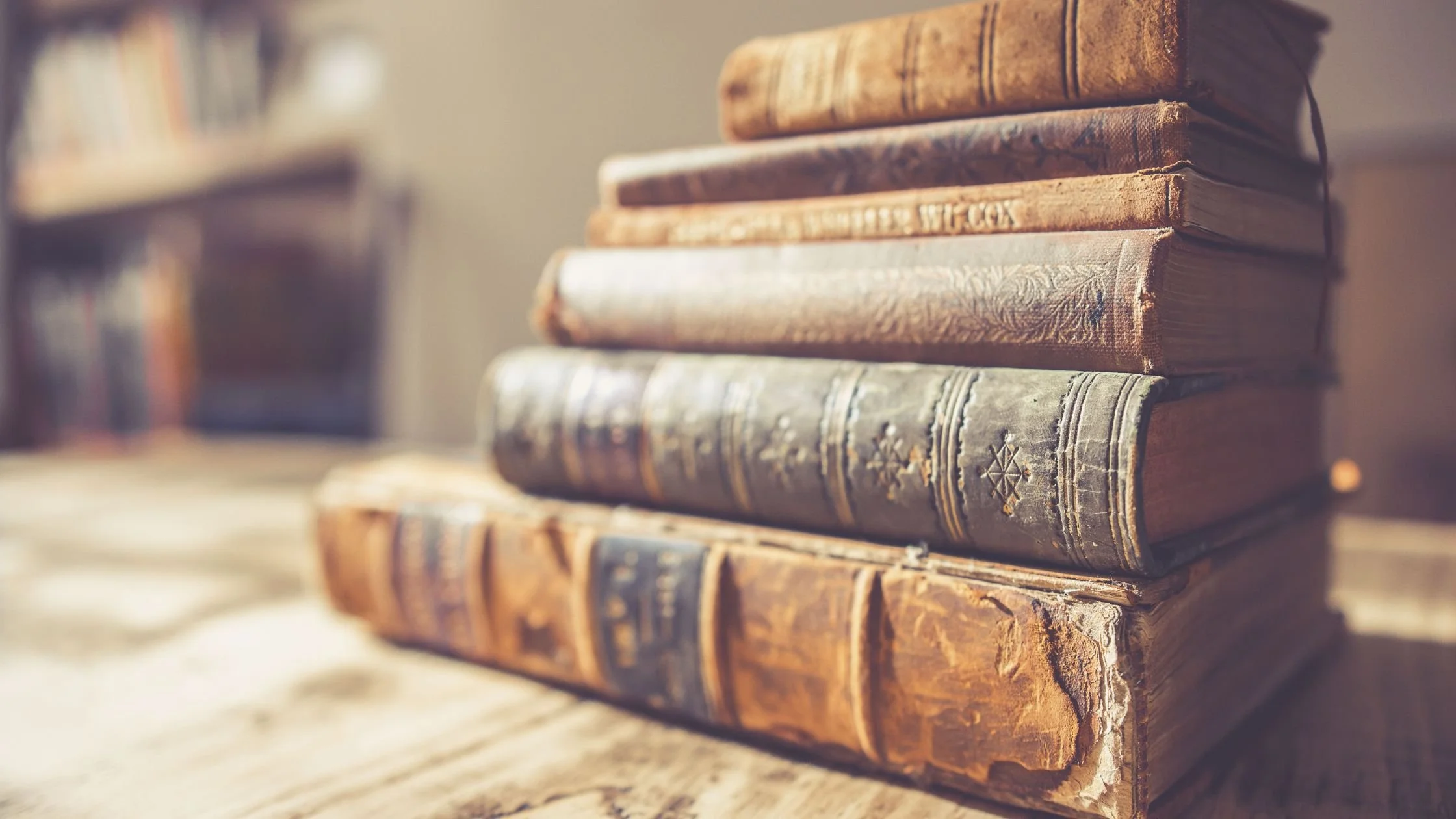
Unveiling Ancient Wisdom: Exploring Occult Books and Their Secrets
In the world of metaphysical studies, there exists a rich tapestry of texts that illuminate the path of spiritual seekers, providing wisdom and insights from times long past. These occult books, often shrouded in mystery and secrecy, hold the keys to understanding ancient traditions, esoteric symbols, and the inner workings of the spiritual world. As we explore some of these texts, we aim to unveil their hidden knowledge and help you incorporate this wisdom into your spiritual journey.
Occult Books: An Introduction
The word "occult" comes from the Latin word "occultus," which means "hidden" or "secret." This term has been used throughout history to describe various spiritual traditions and practices that were considered mysterious, esoteric, or mystical. Occult books cover a wide range of topics, including astrology, alchemy, divination, and more. These books often reveal hidden knowledge, ancient wisdom, and practices that can guide us in our spiritual journey.
Key Occult Texts and Their Significance
The Kybalion: Often considered a foundational text of Hermeticism, The Kybalion outlines the principles of this ancient wisdom tradition. This book, attributed to the mysterious "Three Initiates," explores the Seven Hermetic Principles that govern the universe and offer insights into spiritual transformation.
The Secret Doctrine: Written by Helena Petrovna Blavatsky, a prominent figure in the Theosophical Society, this work presents a synthesis of Eastern and Western spiritual traditions. It covers topics such as cosmogenesis, spiritual evolution, and the interconnectedness of all life.
The Book of the Law: Authored by Aleister Crowley, a renowned figure in modern occultism, this book serves as the foundation of Thelema, a spiritual philosophy that explores the concepts of True Will and the divine nature of humanity.
The Lesser Key of Solomon: A grimoire that compiles various texts on demonology and ceremonial magic, this book contains detailed descriptions of spirits and the rituals to summon them.
Modern Occult Classics
The Power of Now by Eckhart Tolle: A guide to spiritual enlightenment that emphasizes living in the present moment.
The Secret by Rhonda Byrne: A bestselling book that explores the Law of Attraction and how thoughts can manifest reality.
Exploring Occult Books at Spiritual Phoenix Studios
At Spiritual Phoenix Studios, located in Girard, Ohio, we offer a carefully chosen selection of occult books that cater to both seasoned practitioners and curious newcomers. Whether you are interested in Hermeticism, Theosophy, or modern spirituality, our carefully curated collection will provide you with the knowledge and insights you seek.
Our staff is passionate about helping you explore the mystical world of the occult. We are always available to answer your questions, provide recommendations, and assist you in finding the perfect book for your spiritual journey.
Discovering Ancient Wisdom for Modern Seekers
The allure of the occult is a timeless fascination, offering us a window into the esoteric realm and the ancient wisdom of those who walked the path before us. By exploring these texts, we can unravel the mysteries of the spiritual world and gain a deeper understanding of our inner selves.
Incorporating the teachings of these books into our practices can be transformative, opening our eyes to new perspectives and guiding us toward spiritual enlightenment. Visit Spiritual Phoenix Studios or explore our online collection to find the perfect book for your journey.
Conclusion
Occult books have been revered throughout history as powerful repositories of wisdom, guidance, and insight. As we explore these texts, we are invited to unravel the mysteries of the spiritual world and incorporate this ancient wisdom into our practices. Let your curiosity guide you on this journey of discovery, and let the knowledge contained within these books illuminate your path.
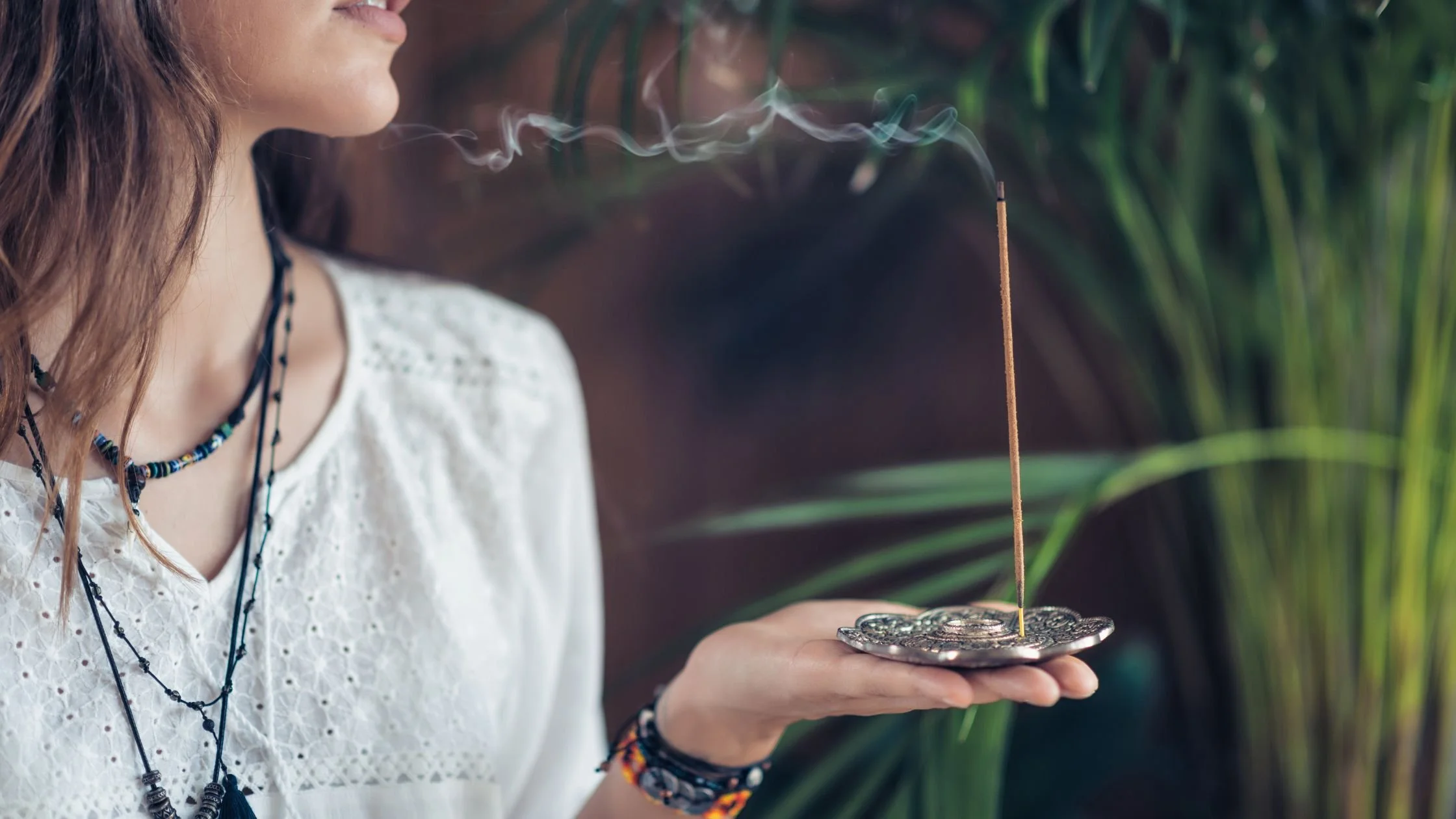
The Enchanting Aromas: A Guide to Selecting the Perfect Incense
The sensory world of incense has captivated people's senses for thousands of years, accompanying meditative practices, energy-cleansing rituals, and creating an atmosphere of peace and tranquility. In this guide, we explore the diverse world of incense and offer some tips on selecting the perfect fragrance to complement your spiritual practices.
The Mystique of Incense
Incense has long been a symbol of the connection between the earthly and the divine. Burning incense is an act of transformation, as the tangible becomes ethereal, symbolizing the transmutation of our thoughts, prayers, and intentions. When used in meditation or energy-cleansing rituals, the aromatic smoke can help create a serene environment, setting the stage for deep introspection and spiritual awakening.
Selecting the Right Incense
Choosing the right incense involves considering the occasion, your intentions, and personal preferences. Whether you're drawn to classic scents like sandalwood and frankincense or looking for something more exotic, the world of incense offers endless possibilities.
Purpose: What's the occasion? For meditation, you may want a soothing and grounding aroma like cedarwood or patchouli. For energy cleansing, try sage or palo santo.
Personal Preference: Do you prefer sweet, earthy, or floral scents? If you need more clarification, visit a store like Spiritual Phoenix Studios in Girard, Ohio, and sample a few before making a decision.
Sensitivities: If you have allergies or sensitivities, select natural incense with pure essential oils to avoid artificial fragrances that may irritate your respiratory system.
Popular Incense Scents and Their Uses
Frankincense: Spiritual awareness, purification, protection
Myrrh: Healing, clarity, meditation
Sandalwood: Relaxation, grounding, concentration
Lavender: Calming, stress relief, tranquility
Cedarwood: Strength, stability, courage
Using Incense Safely
Incense, while a beautiful addition to spiritual practices, should be used with care.
Ventilation: Ensure the room is well-ventilated to avoid inhaling excessive smoke.
Fire Safety: Use a proper holder or burner and avoid flammable materials.
Respect: If using herbs sacred to Indigenous cultures, like sage, be respectful and mindful of the traditions from which they originate.
Experience the Magic of Incense at Spiritual Phoenix Studios
At Spiritual Phoenix Studios in Girard, Ohio, we understand the transformative power of scent. Our carefully curated collection of incense offers options for all preferences and purposes. Visit our store or explore our selection online to find the perfect incense to enhance your meditation and energy-cleansing rituals. Our knowledgeable staff is always ready to help guide you on your aromatic journey.
Conclusion
Incense holds a special place in the hearts of spiritual seekers and those looking for a sensory experience that can transport them to a place of serenity and reflection. As you explore the world of incense, let your intuition guide you. Find the scents that resonate with your soul and allow them to enhance your practices and rituals. The enchanting aromas await you.
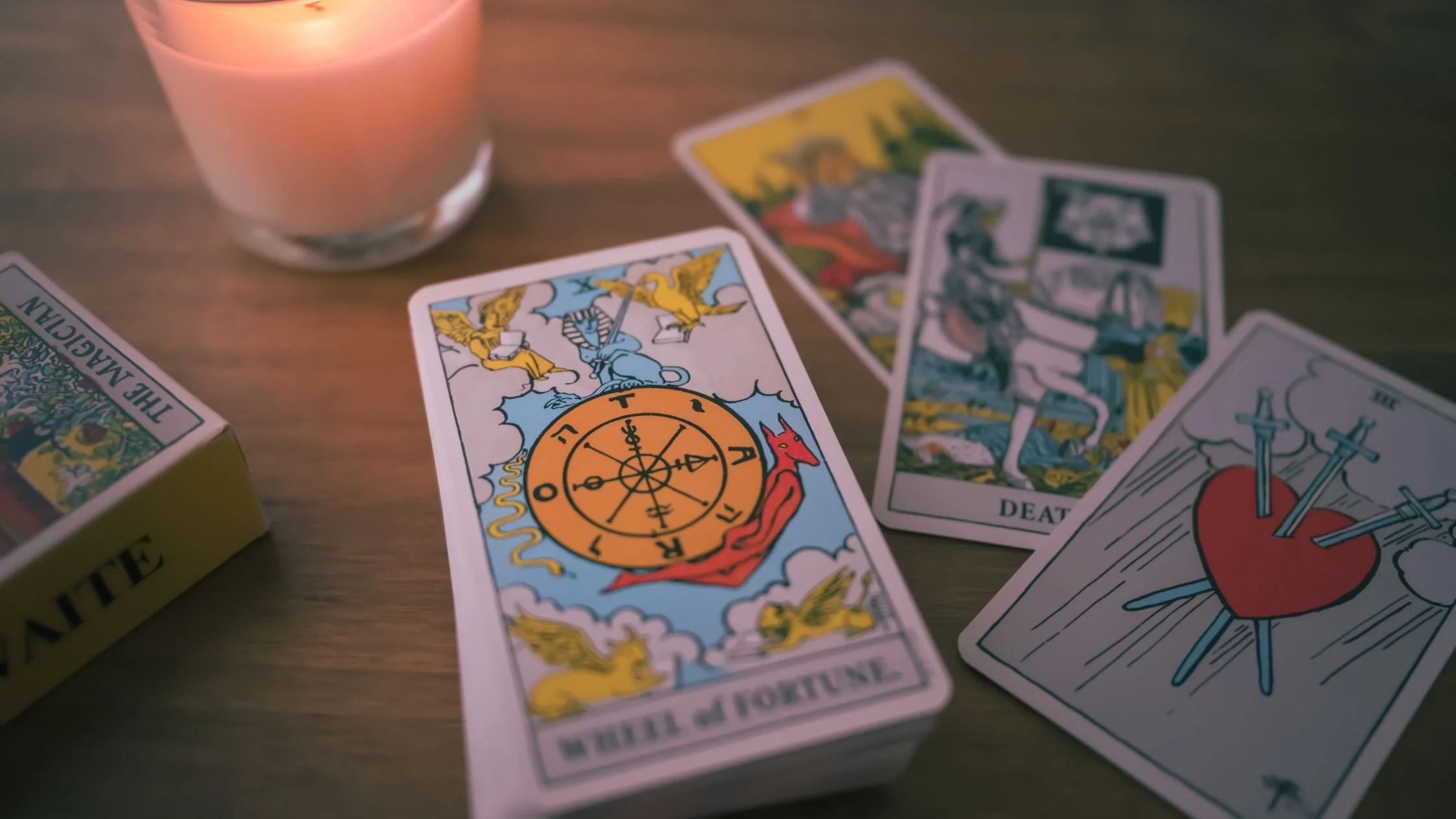
A Journey through Tarot: Understanding the Major Arcana
Tarot cards have long been a source of fascination and mystery, used for divination, self-exploration, and guidance. At the heart of the Tarot deck lies the Major Arcana, a set of 22 cards that hold deep symbolic meanings and form the core of Tarot readings. In this blog post, we'll take a closer look at the Major Arcana, uncovering its history, symbolism, and application in modern Tarot practice.
The History of Tarot and the Major Arcana
The origins of Tarot are somewhat enigmatic, tracing back to the 15th century in various parts of Europe. Originally used for playing games, the cards evolved to become tools of divination and self-reflection. The Major Arcana, sometimes referred to as the "trumps" or "keys," forms the spiritual backbone of the Tarot, representing universal themes and life's major lessons.
Understanding the Structure of the Major Arcana
The Major Arcana consists of 22 cards, each with unique symbolism and meaning. They are often divided into two segments:
Cards 0-10: These cards depict the Fool's Journey, representing a spiritual quest, starting with the Fool (0) and progressing through life lessons and experiences.
Cards 11-21: These cards represent universal principles and spiritual enlightenment, culminating in the World (21), signifying completion and fulfillment.
The Fool's Journey
The Fool's Journey is a metaphor for the journey through life, and the Major Arcana's structure follows this path.
The Fool (0): The beginning, innocence, and spontaneity
The Magician (1) to The World (21): The progression through wisdom, challenges, triumphs, and enlightenment
Universal Principles and Symbols
The second segment of the Major Arcana conveys deeper spiritual insights, often associated with astrological signs, elements, and other mystical symbols.
Strength (8): Inner strength and courage
The Hermit (9): Introspection and seeking inner wisdom
The Sun (19): Joy, success, and celebration
Interpretation and Application in Modern Tarot Readings
Interpreting the Major Arcana in Tarot readings requires an understanding of both the individual cards and their relationship within the spread. Here's a breakdown of some key cards:
The Fool: Embarking on a new journey, taking risks
The Lovers: Choices, relationships, and moral dilemmas
The Hanged Man: Pausing to reflect, surrender, a new perspective
Death: Transformation, endings, and new beginnings
The positioning and combination of the cards reveal intricate insights into the querent's life and potential path.
Major Arcana in Different Tarot Decks
Different Tarot decks may present variations in the imagery and symbolism of the Major Arcana. The Rider-Waite-Smith deck is perhaps the most recognized, but others like the Thoth Tarot or the Wild Unknown bring unique interpretations and artistic styles.
Tips for Working with the Major Arcana
Whether you're a seasoned Tarot reader or a curious beginner, here are some tips to deepen your connection with the Major Arcana:
Study Each Card: Understand the symbolism, imagery, and meaning.
Connect Intuitively: Spend time meditating on each card, sensing its energy.
Use Guidebooks: Many decks come with guidebooks that provide detailed explanations and interpretations.
Conclusion
The Major Arcana's captivating imagery and profound symbolism make it a central aspect of Tarot's mystique. By understanding its history, structure, and application, readers can gain deeper insights into themselves and the world around them.
Diving into the Major Arcana is not merely a study of cards but an exploration of life's complexities, mysteries, and universal truths. Whether used for personal growth, guidance, or merely reflection, the Major Arcana stands as a powerful testament to the human experience and the spiritual journey.
Embark on this path of discovery with an open heart and a curious mind, and let the Major Arcana guide you through the maze of life's lessons and triumphs. Share this guide with fellow seekers, and let the journey through Tarot bring wisdom, clarity, and enlightenment to all.
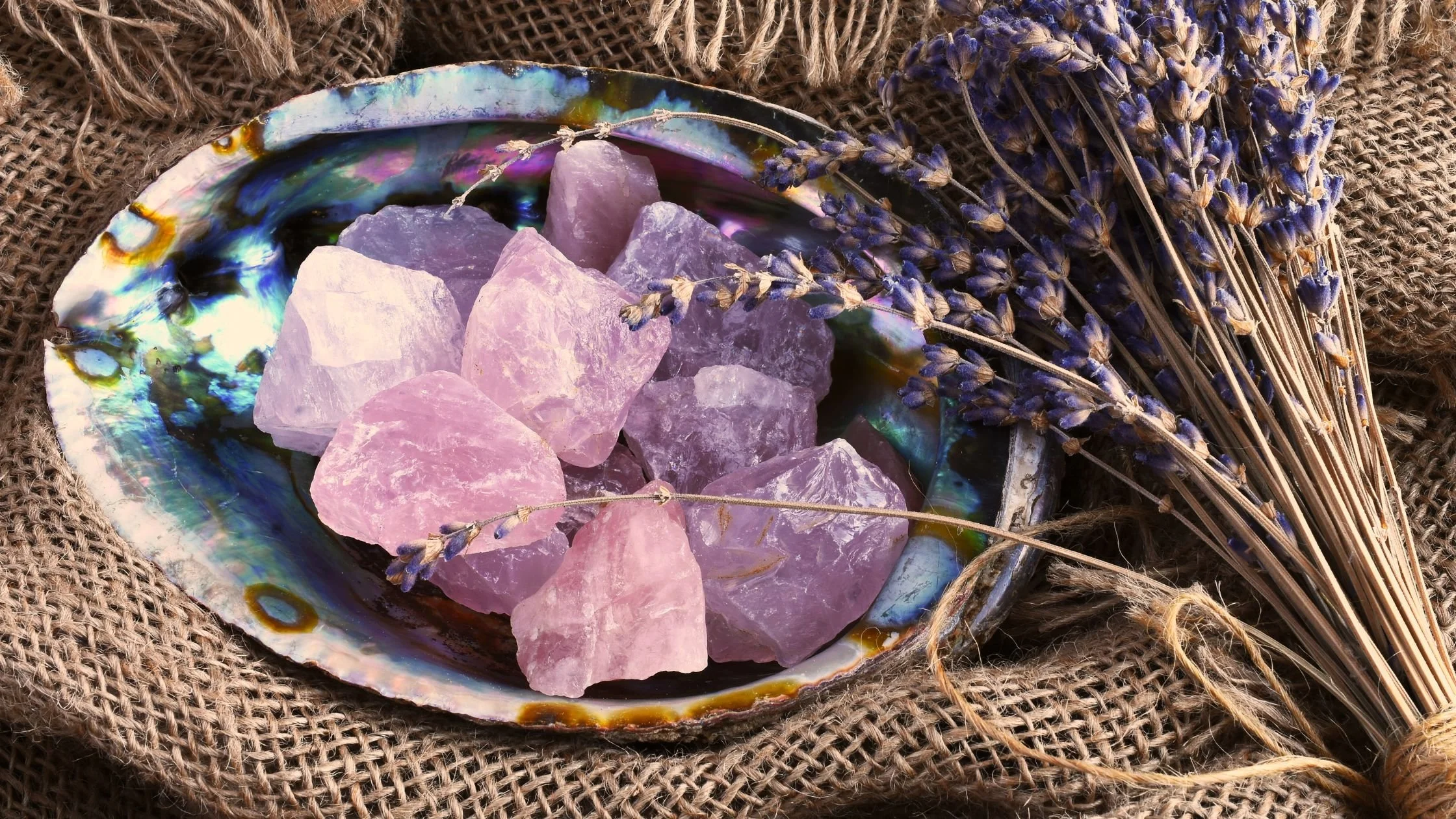
The Power of Crystals: Unlocking their Healing Potential
Discover the mesmerizing world of crystals and their profound potential for healing, emotional well-being, and spiritual growth, offering a transformative journey of self-discovery and connection with the universe.
Crystals have long captured the human imagination with their mesmerizing beauty and mystical aura. Ancient civilizations revered them not only for their aesthetic appeal but also for their supposed healing properties. Crystals continue to find a prominent place in various therapeutic practices and spiritual pursuits. But what is the science behind their charm, and how can you use them to enhance your life? Let's delve into this captivating subject.
The Historical Significance
From the ancient Egyptians, who wore crystal jewelry to ward off negative energy, to the Greeks, who used amethyst to prevent intoxication, the historical significance of crystals is rich and varied. During the Renaissance, they were often associated with alchemy, believed to contain mystical properties. Various Native American cultures used crystals for healing and spiritual communication.
Types of Healing Crystals
There are myriad types of healing crystals, each with unique characteristics. Here's a brief look at some popular ones:
Quartz: Known as the 'Master Healer,' it's used to amplify energy and thought.
Amethyst: This calming stone aids meditation and stress relief.
Citrine: Famed for promoting joy, creativity, and abundance.
Rose Quartz: A symbol of love and compassion used to enhance relationships.
Turquoise: Known for promoting strength, protection, and communication.
Healing Properties of Crystals
The notion that crystals possess healing properties comes from various theories and beliefs. Some think crystals' unique molecular structures resonate with the human body's energy fields, aligning or 'tuning' the energies within. Others believe in the power of color therapy, where the color of a crystal influences its healing abilities. Additionally, the placebo effect, where belief in the healing power of crystals triggers a mental response, is also a possible explanation.
Choosing and Using Crystals
Choosing the right crystals for your needs requires understanding their unique properties, trusting your intuition, and seeking professional guidance. Once you've chosen your crystals, incorporating them into daily life is the next step. Here are some popular ways:
Wearing Crystal Jewelry: Keeps their healing energy close to you.
Meditation: Holding crystals during meditation can enhance practice.
Home Decor: Placing them around your home can change the space's energy.
Creating Crystal Elixirs: Drinking water charged with crystals may boost well-being.
Crystals in Modern Medicine
The relationship between crystals and modern medicine is a complex one. While some alternative therapy practitioners advocate using crystals with traditional medicine, the scientific community remains skeptical. Research into the effectiveness of crystal healing is ongoing, and no concrete scientific evidence supports their medical efficacy.
Practical Tips for Using Crystals
Understanding their attributes and potential benefits is essential for those new to crystals. Regular cleansing is vital to maintain the purity of their energy. Handling them with care and respect is crucial, acknowledging their spiritual essence. Local workshops or online tutorials can provide helpful guidance for beginners.
Conclusion
The world of crystals is enthralling, filled with beauty, charisma, and potential for personal growth and healing. Whether or not one believes in their metaphysical properties, the power of crystals to inspire, intrigue, and foster a sense of well-being is undeniable.
Crystals can be more than just beautiful objects; they can become companions in your journey toward a balanced and fulfilling life. You can unlock their healing potential and explore new wellness and spiritual connection dimensions through understanding, trust, and thoughtful application.
Disclaimer: This information is intended for educational and informative purposes only and is not a substitute for professional medical advice. Always consult with a healthcare provider regarding any medical concerns or treatments.
Feel free to explore the mesmerizing world of crystals, engage with their energy, and let them guide you on a path of healing and enlightenment. Share this guide with friends and family interested in crystals, and who knows, you may introduce them to an exciting and empowering new world.

How do we fight back | Simple tactics for changing the world
Hey, what is up, everybody? It is ross; this is episode seven; this is how to back the last episode, we had talked about meeting the baddies, and we had discussed all sorts of the nefarious cabal and institutions out to get us. But I want to start this episode off with a little bit of hope.
Today let's start by paraphrasing a concept of Terence Mckenna's. Effectively he said what's scarier than thinking that all of those people and all these nefarious organizations and alphabet agencies and all of this are in control is understanding that no one's in control. There is no actual control out there.
Everything is organized chaos at best.
My little ad-lib is thinking of how unpleasant it must be trying to sleep at night for some people with the way things are shaking out right now. If people are trying to do some nefarious shit, not a good time anyhow, let's get into the episode, see how we can fight back, and get onto an upbeat track of things. Not that I'm very positive vibes only, but I think looking at situations constructively is important.
So episode seven, we're going to talk about self-empowerment, the benefit of being kind, art; I changed local movements around a little bit because it wasn't authentic to my experience and then create culture, which is the end piece of all of this. This episode is the last introductory episode of the podcast.
I think that we've covered enough ground where we can talk about some skills and different approaches to stuff and then maybe move into guests within the next couple of months.
So anyhow, let's get on with this episode; self-empowerment. Finding your passion is one of the biggest things that can help with self-empowerment, and in my experience and from other people that I've talked to, their passion often lies buried behind a lot of their fears. It was in some of the darkest experiences that I've had.
.
Everything that has propelled me forward was a direct result of my spirit and sees awakenings and things of that nature because getting like knocked off your square for me, like me getting knocked off my square, let me keep it on me, made me have to look at life differently. It goes into the next thing, find your passion, and then once you burn the boats, and that's the tony robbins expression that I heard. It comes from an earlier expression, but don't count on me for like having notations and everything perfectly sorted. This ain't that type of show.
Burn the boats is effectively saying, don't give yourself a way to back out, and I was talking to my therapist about that today; I was like, dude, in terms of backing out of where I'm at, I physically cannot but self-empowerment.
The reason that's empowering is when you find your passion and you burn the boats; you are now in a position where, how do I want to say this? You have a lot of power behind you because there is no other way forward beyond going for what you want. And then when you take ownership more than anything.
So when you find your passion, you burn the boats, and you take ownership of what's going on in your life, like radical self-acceptance and radical acceptance of reality, which is not an easy pill. One of the things that one of my mentors taught me is that acceptance is a lifelong process, and I talked to somebody last night, and they're like, yeah, but it's is.
And that's the thing. Like you'll have acceptance one minute, one moment in time, and then the next moment you won't, and once you that, it can be hard to get it back sometimes. When you take ownership of everything, though, you're saying my life is 100% my responsibility and what's happening and going on, I have to educate myself. I have to take action; I have to do all of these things that lift you up and allow you to move into the next point, creating your vibe.
This stuff is what I have to look at because I've been slacking off on self-empowerment. I've been self-shitting on myself but creating your vibe is so important and not in a sense again of positive vibes only, but enchanting for optimism. I talked about that on Facebook and Instagram. But enchanting for optimism is super important because the world will kick you in the dick and punch you in the gut, not paying attention, and you need to have a little bit of hope in there.
So that's why you've got to create your vibe. I'm just realizing now that I got to bring the lesser banishing ritual hand sigils that one of my friends told me about because the thought process of protecting myself is incredibly important. Not that I believe in protection so much of negative entities, I think that there's a benefit to how it impacts my day.
How do we fight back? Small actions, big ripples, and by this, I'm talking about like holding the door open for somebody, I'm talking about letting somebody cut in front of you in the grocery line.
One of my mentors taught me a lesson in patience. He told me to let two people cut him in the grocery line, and I was like, why the hell would I do that? And he's like, just do it. I found when I consistently do these tiny little actions and keep them to myself, I feel good. There's medicine in being kind.
Like if you get to stop sign at the same time waving the other person on or giving a delivery driver a fat tip. These things make big differences.
The benefit of the doubt can be tricky because many of us have been burned so many times, it's hard to have it, but the doubt can be incredibly important.
Allow people to show up and let their actions dictate who they are without bringing previous baggage onto the situation next one, let others be wrong.
This wisdom is some of the stuff that I learned from 12 step things, and I'm incredibly humbled by looking at it right now.
Letting others be wrong is one of the ones that I struggle with at times because I always want to be right. I can be a know it all at times, and learning to curb that makes a big difference. But sometimes, the medicine of shutting up and just holding your tongue and not needing to prove a point, especially in trivial matters, is super important.
Sometimes it's not even letting others be wrong; it's about us not needing to be right; we do not need to like flex that, which is hard for me at times.
We also need to learn to focus on similarities; this is incredibly important right now.
I am not going to bring any political stuff into this. Still, I will say it from the outside that our political system is structured to keep people oppressed and opposed by fighting these two things that are largely controlled by the same corporate interests. That's how I'm going to say it.
When we focus on the similarities that we have with people, which is, most of us generally want our families to be taken care of and these things, it hits different. And it's not that simple, obviously and it's a lot of nuances and sticky bits there. I have some of them going on in my own life; I get it; there's still a matter of how you want to show up and what's best for you and focusing on similarities in certain situations where it's not putting yourself out there too far, it can make a big difference.
And I'm going to add this last caption on being kind because it's something my therapist told me today, and being a very visual person, hearing, really helped me. She said that you have to view your relationships in terms of like puddles, lakes, puddles, ponds, lakes, and then oceans. You can try to bring a puddle relationship into a pond relationship. But you really can't go from puddle the ocean and have it work because those relationships function vastly differently.
What's the next way we fight back? Art.
Art is a powerful social catalyst first off, and if you look, if you're listening to this as the podcast and you're not watching it on youtube, it's a supposed Banksy, and it says we're all in the same boat, and it shows somebody bailing out the water because it looks like the boat sinking.
Art is an excellent way to communicate intricate concepts. A picture is worth 1000 words. And with art, you're able to layer lots of different images, so you can craft complex messages in astounding ways. Especially when you look at how colors and things impact you.
Knowledge of these tools is effectively learning to utilize some of the same things that corporations like elite bloodlines, things of that nature have used against people. It's learning to use that for the benefit of other people, okay? And then we get into the layered meaning thing, it impacts the subconscious.
So if there were people creating art that was intended to make well, good, and inspire growth and compassion, that would make a difference because of how it would impact things. And then there's this inherently psychedelic aspect of art, because art, for me is about, I'm sorry psychedelics, for me about transcending boundaries, and it is about this of, you know, transcending boundaries, I think is the best way to put it.
And art is very transcending boundaries, right? Art is like the psychedelic expression of the human experience, and I don't know what else to say on that point. Like, art is a psychedelic.
If there is already a community of things you are interested in and think would be supportive, integrate the community and participate. Or create a community that supports what you want if it's not there locally because it's likely that other people there would benefit from it. Then expand that concept out, like, get more people involved with it once you have the core concept down like that's how you built and why this is important. It also goes into building community with people that might have different values than you and different beliefs than you because that's actually how you change things.
You're not going to change things from having a shouting match with somebody on Twitter or Facebook; you're not going to change things by lots of other ways that people approach this stuff. Commonality is there, and most of the time, when people aren't behind a screen and if they're getting together face to face, they'll find that commonality, especially if the pressure points are being hit and increasingly, that's what we need to work towards.
So I'm going to get off my little soapbox there and what this is all leaning towards is creating culture rather than consuming it or being consumed by it. And what I mean by that is each of us has a unique story and instead of experiences, right? And those experiences can literally help other people if we share them all of us have unique gifts and talents that we're able to utilize, and if we don't have any, it's because we haven't given ourselves the time to explore them.
Now look, I'm not going to be one of those fucking people makes it seem like everybody is able to do that because realistically there is a lot of financial shit going on in the world with the pandemic going on, people are hurting for money, people are trying to just survive, so not everybody has the ability to be massively creative and do things like that, but by creating, I just mean participate in things more than actively like than passively sitting back, even if it's just going to a community that is interested in the same things as you, you're still creating culture, you don't have to be an artist or a musician, you just have to get involved in the things that matter to you and show up and share your enthusiasm and excitement for life because that is what we need more of and the more that people show up happy and enjoyed and enthralled with what they're doing, the more people the happier people are going to be and that stuff will vibe out and I know that this is like really, really not how i, I usually am on things, but I do have hope for this to work. I don't think it's going to change the world overnight.
I don't think that the world will ever be perfect. I believe that some of the ideas I shared can make things a lot better; that's the gist of it and with all of that said, I don't have an end slide because this is the end of the introduction episodes like I had said.
Um we were laying out a basic framework of everything and now I can get into more of praxis and we'll explore that in two weeks. Thanks for tuning in.